





The clinic

The clinic

Technology and comfort at the service of your smile

Dental aesthetics is essential for a harmonious and attractive smile. Proper treatment can correct imperfections, improve alignment and tooth color, providing confidence and improving people's quality of life.

Your first visit is free

Full dental check-up at no cost — online bookings only.

Offer ends in:
00days
:
00h
:
00min
:
00sec
Clínica dental Oris

Spaces of Oris dental clinic

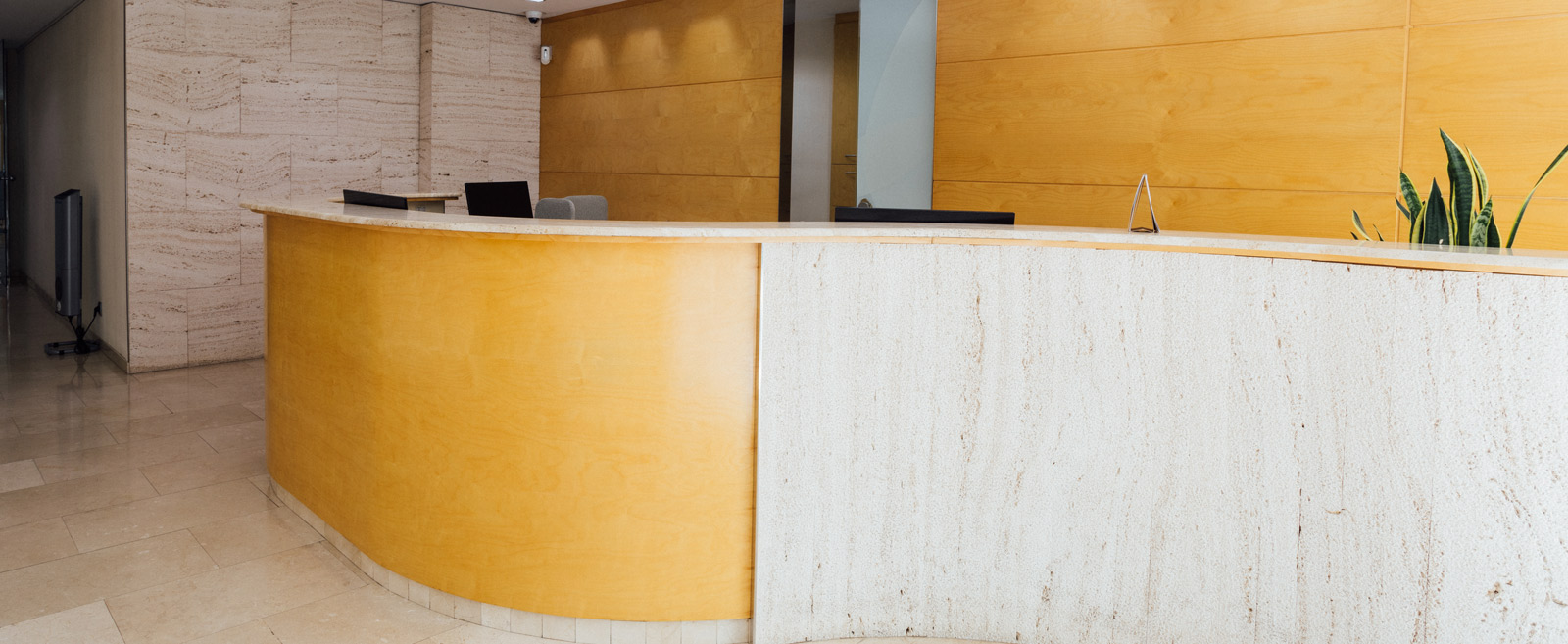
Hall
Hall
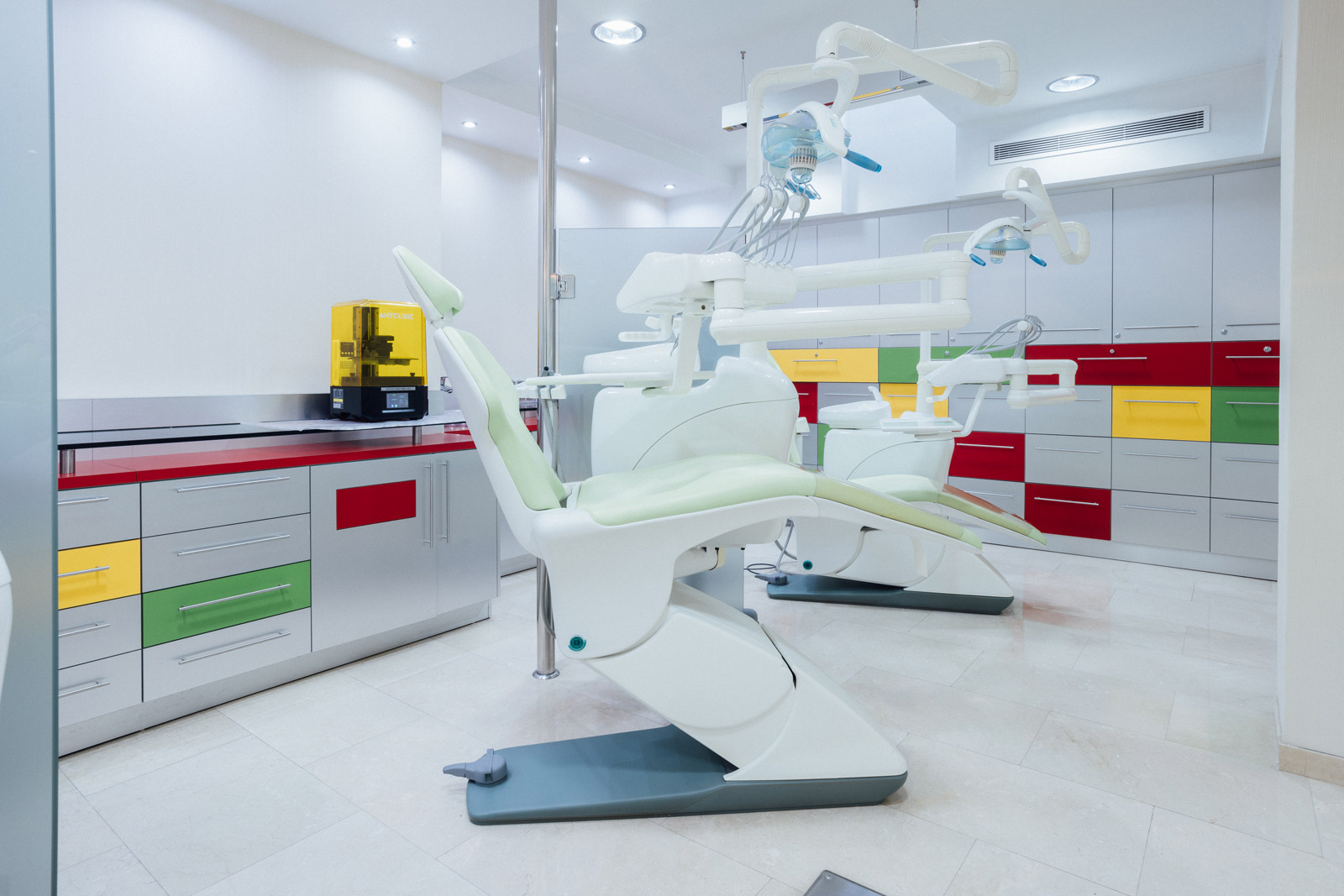
Dental box
Dental box
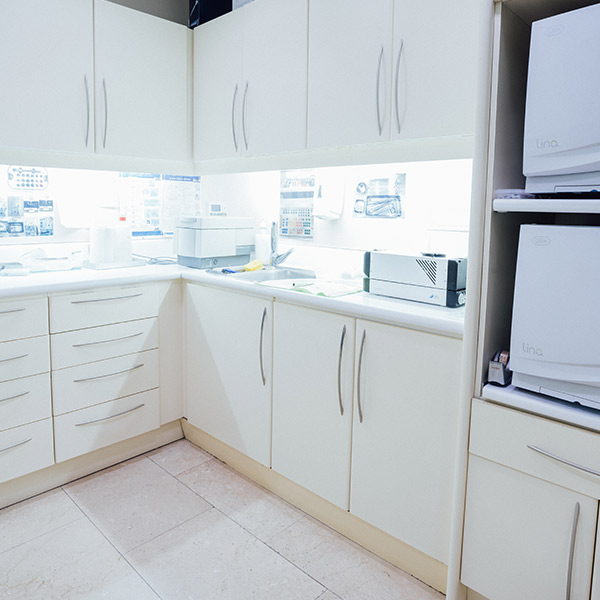
Box equipment
Box equipment
Waiting room
Waiting room

Equipment at Oris clinic
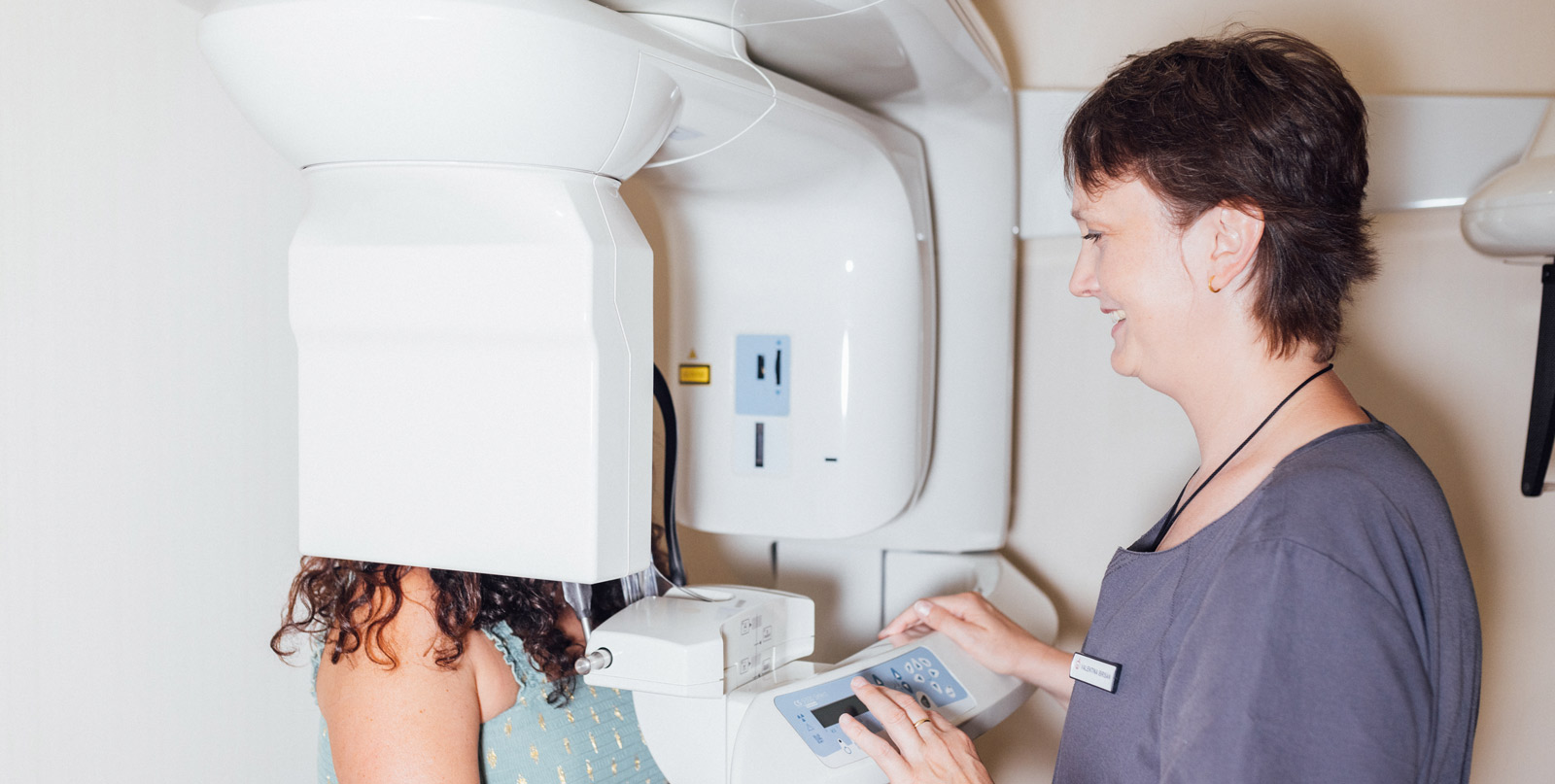
3D X-Ray · CBCT
3D X-Ray · CBCT

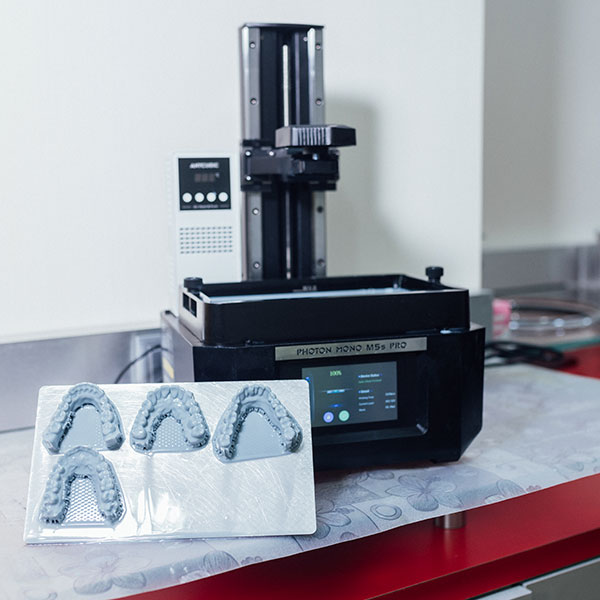
In-house 3D printer

In-house 3D printer

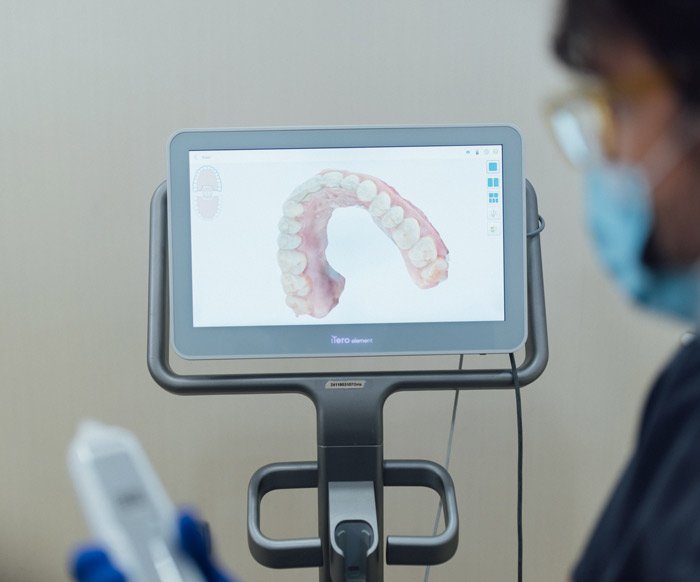
iTero intraoral scanner
iTero intraoral scanner

Oris clinic technology

Oris clinic technology

Frequently asked questions

See the most common questions about Oris clinic.

Si no encuentras la respuesta que estás buscando, no dudes en contactar con nosotros.

Contact

1. What is a 3D printer used for in dentistry?
3D printers are used to create a wide variety of customized devices, such as surgical guides, clear aligners, study models, temporary crowns and denture bases. This allows dentists to provide more accurate and efficient treatments.
2. How long does it take to print a tooth?
Impression time varies depending on the size and complexity of the part. In general, small parts such as aligners may take a few hours, while larger parts such as surgical guides may take several hours.
3. Are the materials used in 3D printing safe for dental use?
Yes, the materials used in dental 3D printers are approved by regulatory agencies and are biocompatible, meaning they are safe to be in contact with oral tissues.
4. How is the accuracy of 3D printed parts ensured?
The accuracy of 3D printed parts depends on several factors, such as the quality of the scan, the calibration of the printer and the software used. Dentists use specialized software to design and validate the parts before printing, ensuring an accurate fit.
5. What is the difference between a 3D X-ray and a panoramic X-ray?
A 3D X-ray provides a full three-dimensional image of the mouth, including the bones, teeth and soft tissues. A panoramic x-ray, on the other hand, provides a two-dimensional image of the entire mouth. The 3D X-ray offers a greater amount of detail and allows for better visualization of anatomical structures.
6. Is 3D radiology safe?
Yes, 3D radiology is a safe procedure when performed by a trained professional and the proper protocol is followed. The amount of radiation used is minimal and the benefits for diagnosis and treatment far outweigh the risks.
7. What is 3D radiology used for in dentistry?
3D radiology is used for a wide variety of procedures, such as planning dental implants, evaluating bone lesions, detecting hidden cavities and assessing tooth position for orthodontic treatment.
8. How often is a 3D X-ray needed?
The frequency of 3D X-rays depends on the individual needs of each patient. In general, they are used when a more detailed evaluation of the bone structure is required or when complex treatment is being planned.
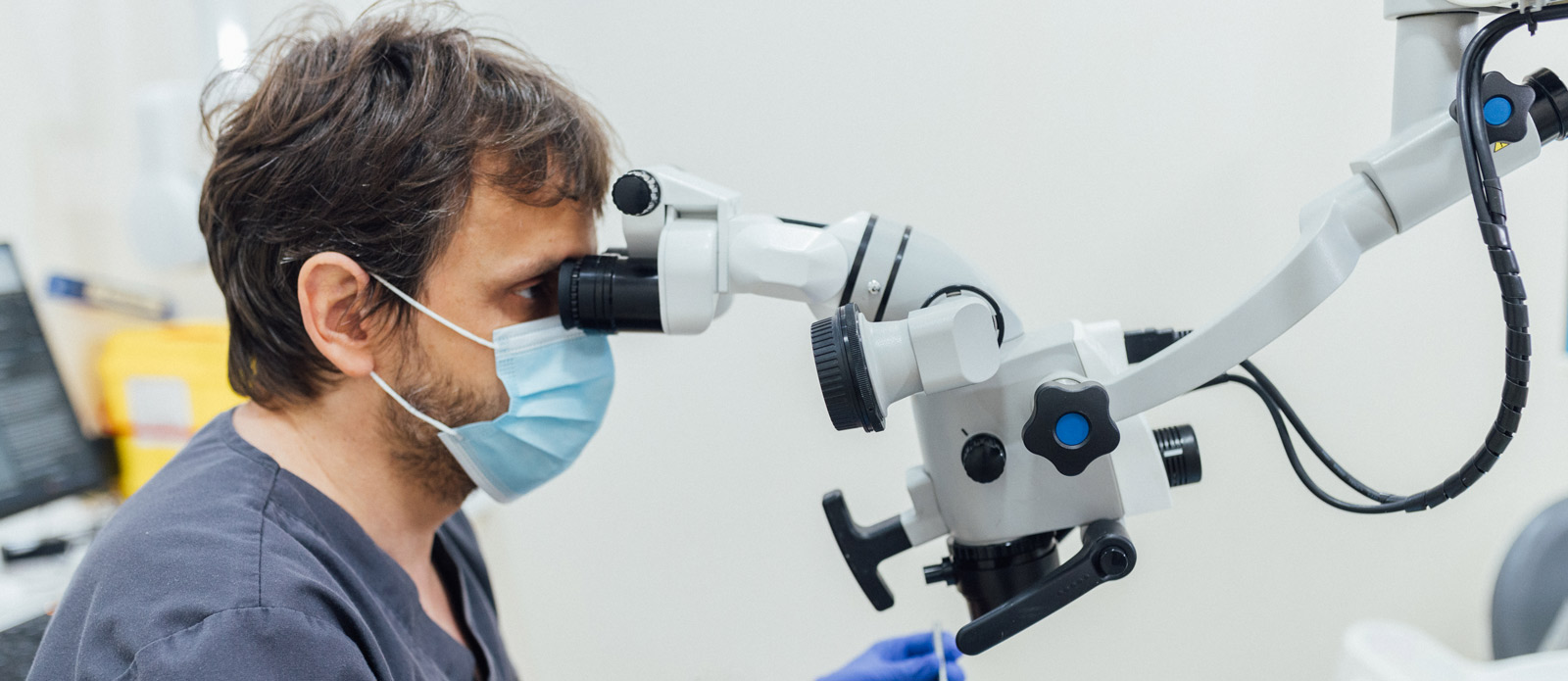
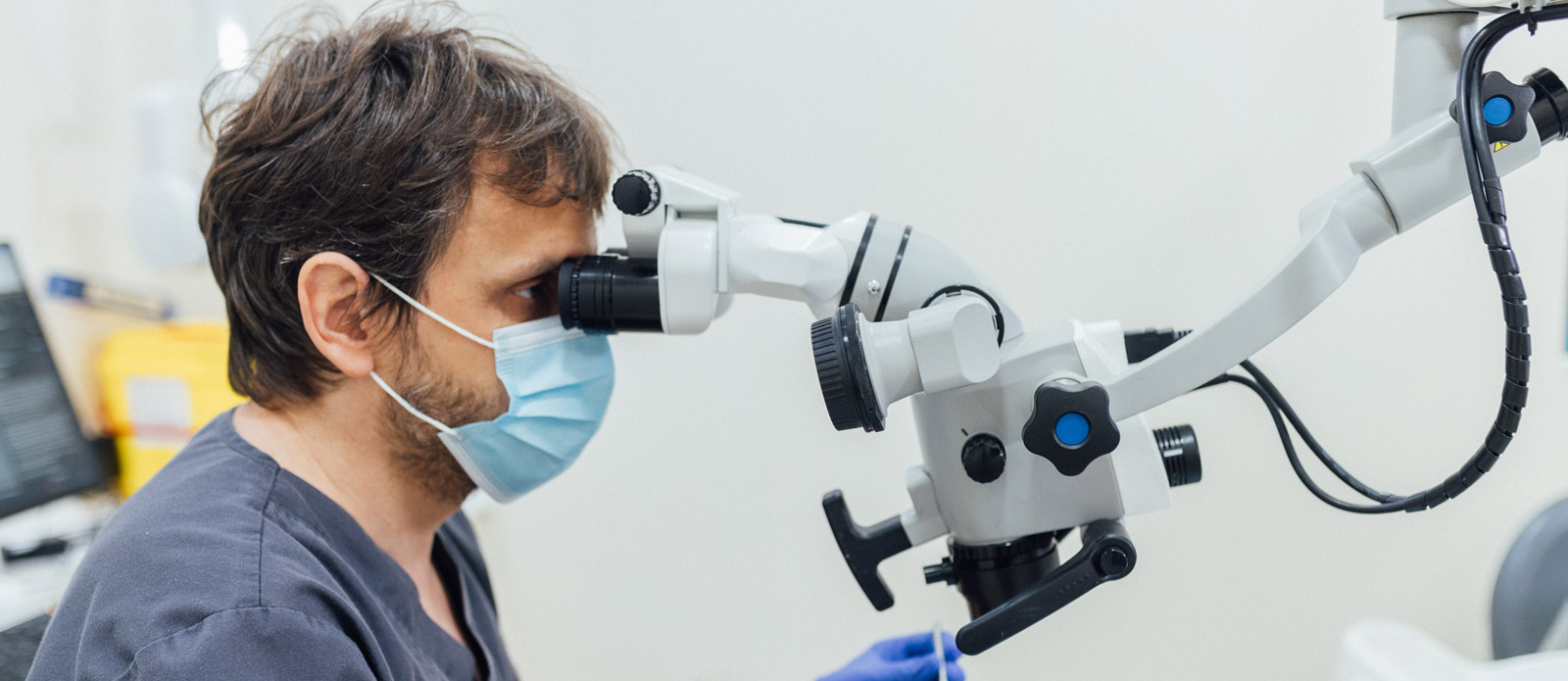
9. Is the dental microscope uncomfortable for the patient?
No, the use of the dental microscope does not cause any discomfort to the patient. The dentist simply adjusts the position of the microscope to obtain the best view and continues with the treatment.
10. What are the advantages of the dental microscope?
The dental microscope offers several advantages, such as greater precision in the detection of caries and fractures, better visualization of root canals, and the possibility of performing more conservative treatments.
11. Is it necessary to use a dental microscope in all treatments?
No, the use of the dental microscope depends on the type of treatment and the individual needs of the patient. However, in many cases, the microscope can significantly improve the quality and results of treatment.
12. What is a dental microscope used for?
The dental microscope provides a magnified and detailed view of teeth and oral tissues, allowing dentists to perform more precise and minimally invasive treatments. It is used especially in endodontics, oral surgery and esthetic treatments.
13. What is intraoral scanning used for?
Intraoral scanning is used for a wide variety of procedures, such as orthodontic treatment planning, crown and bridge fabrication, and the creation of surgical guides for implants.
14. What are the advantages of intraoral scanning compared to traditional impressions?
Intraoral scanning offers several advantages, such as greater accuracy, shorter procedure time, greater patient comfort and elimination of the need for impression materials that can cause nausea.
15. Is intraoral scanning painful?
No, intraoral scanning is a painless and non-invasive procedure. The scanner is simply passed gently over the teeth and gums.
16. How does an intraoral scanner work?
An intraoral scanner uses a digital camera to capture detailed images of the teeth and gums. These images are combined to create an accurate 3D model of the patient’s mouth.
Book now

Find us

In the heart of Les Corts. Call us, write us on WhatsApp or come and visit us.

100% Gratis

Book appointment

We call you back within 24h

Reserva estudio Oris [EN]
We work with all major insurance providers If you have any of these insurances, call us and we'll confirm which treatments are covered.
DKV
Mapfre
Axa
Allianz
A Sanitaria
Clinicum
Fiatc