






Dental Sedation Barcelona

Treatment

Sedation Barcelona

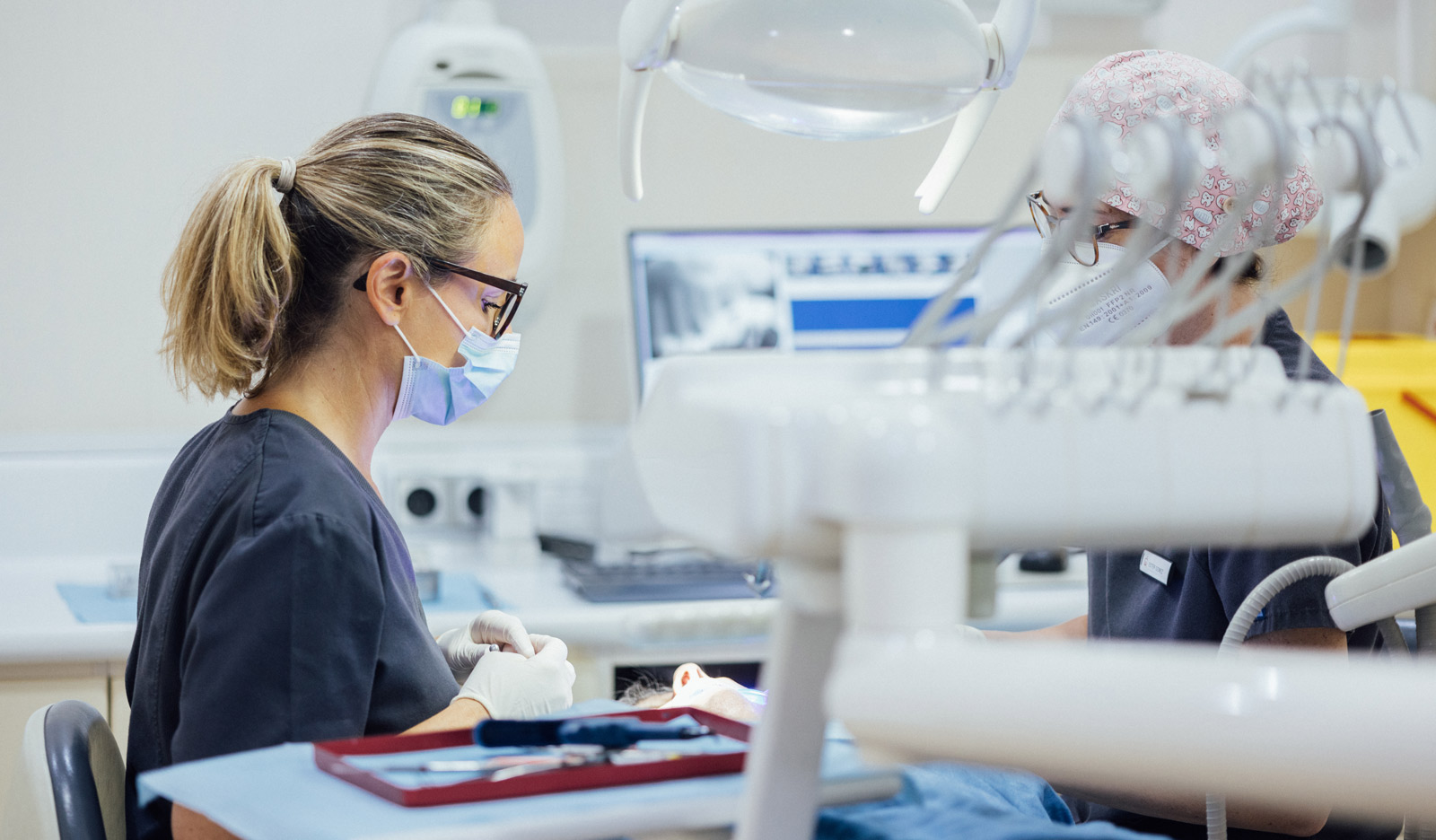
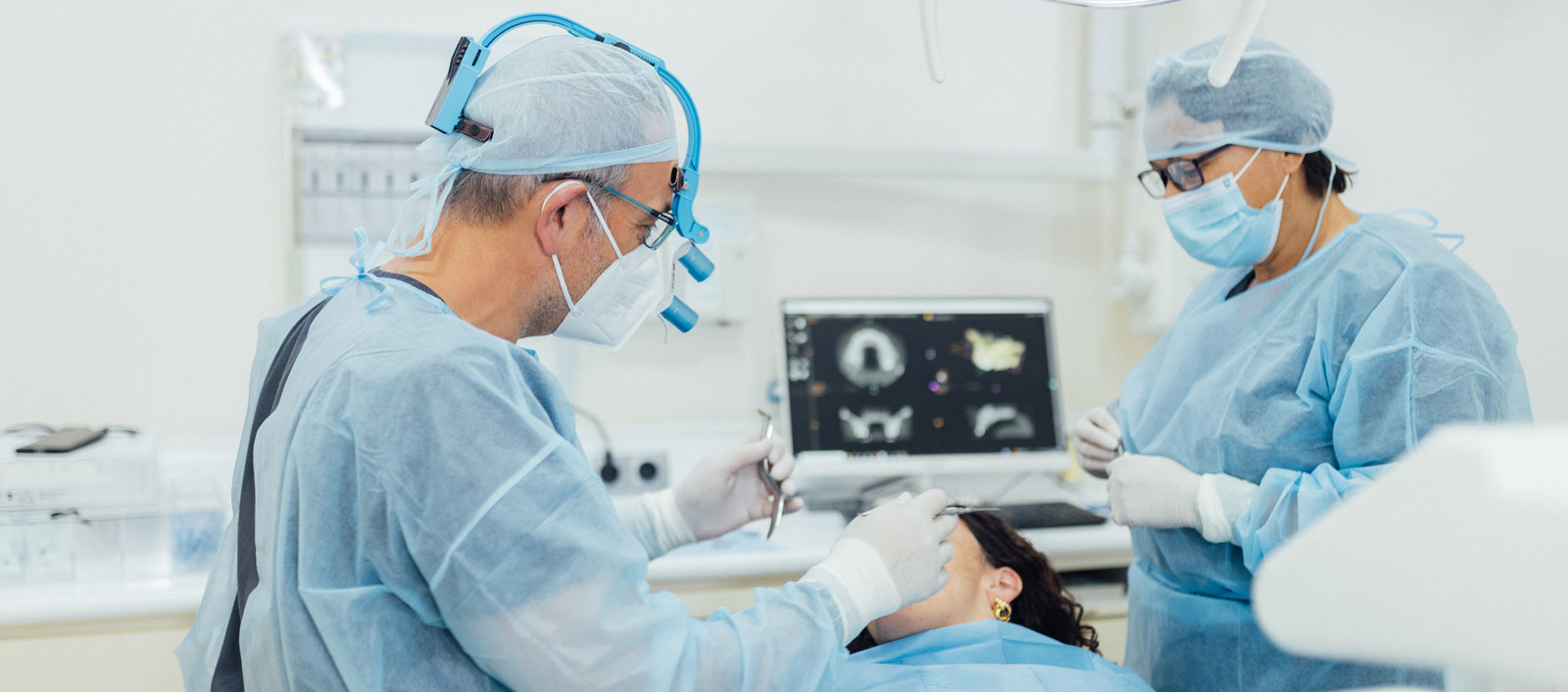
Dental sedation uses medications to help patients relax during procedures. It varies from minimal (patient awake and relaxed) to deep (patient in a deep sleep). It is useful for people with dental anxiety or long procedures.

Your first visit is free

Full dental check-up at no cost — online bookings only.

Offer ends in:
00days
:
00h
:
00min
:
00sec
Sedation Barcelona
Relaxation, tranquility, comfort.

The Benefits of Sedation Dentistry: Relaxation, Peace of Mind and Comfort During Dental Procedures

Dental sedation is a technique used to provide relaxation, tranquility and comfort to patients during dental procedures. This practice is especially beneficial for those with dental anxiety or who require long and complex treatments. There are various levels of sedation, from minimal, where the patient remains awake but relaxed, to deep, where the patient is in a deep sleep. Sedation helps eliminate fear and stress, allowing procedures to be performed more efficiently and comfortably for both the patient and the dentist.

More information

Phases of sedation

1

Phase 1

  • Patient Assessment: Review of medical history and assessment of patient needs.
  • Selection of Sedation Method: Determination of the appropriate type of sedation (minimal, moderate, or deep).
  • Explanation of the procedure to the patient and preparation of the necessary equipment and medications.
2

Phase 2

  • Administration of sedative: Application of the sedative drug orally, inhaled, intravenously, or intramuscularly.
  • Initial Monitoring: Monitoring of the patient's responses to the sedative and dose adjustment if necessary.
  • Induction of Effect: Wait for the patient to reach the desired level of sedation before starting the procedure.
3

Phase 3

  • Postoperative Monitoring: Monitoring of the patient while recovering from the sedative effect.
  • Assessment of the patient's condition: Ensure that the patient fully recovers consciousness and normal functions.
  • Postoperative Instructions: Provide information on aftercare and warning signs.

Discover our Youtube channel

Are you passionate about oral health? Do you want to learn about the latest dentistry advances or simply take care of your smile in the best way? Then you're in the right place!

Discover our Youtube channel

Oris video
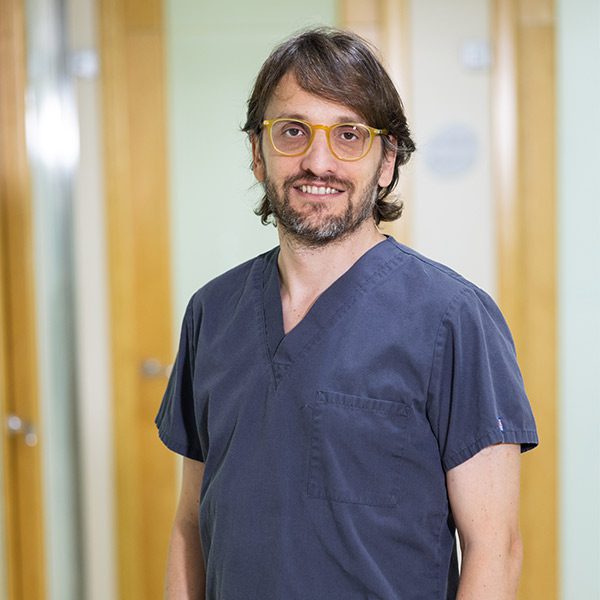
Dra. Laia Chacón Canut
Col. 3996 · Medical Director
The specialist

Our team of experts in sedation!

Medical Director

At Oris clinic, we have a team of highly qualified dentists with extensive experience in sedation.

  • Degree in Dentistry
  • Postgraduate in Oral Prosthetics
  • Postgraduate in Dental Aesthetics
  • +20 years of clinical experience

Book appointment →
Get to know us inside

Take a tour of our clinic

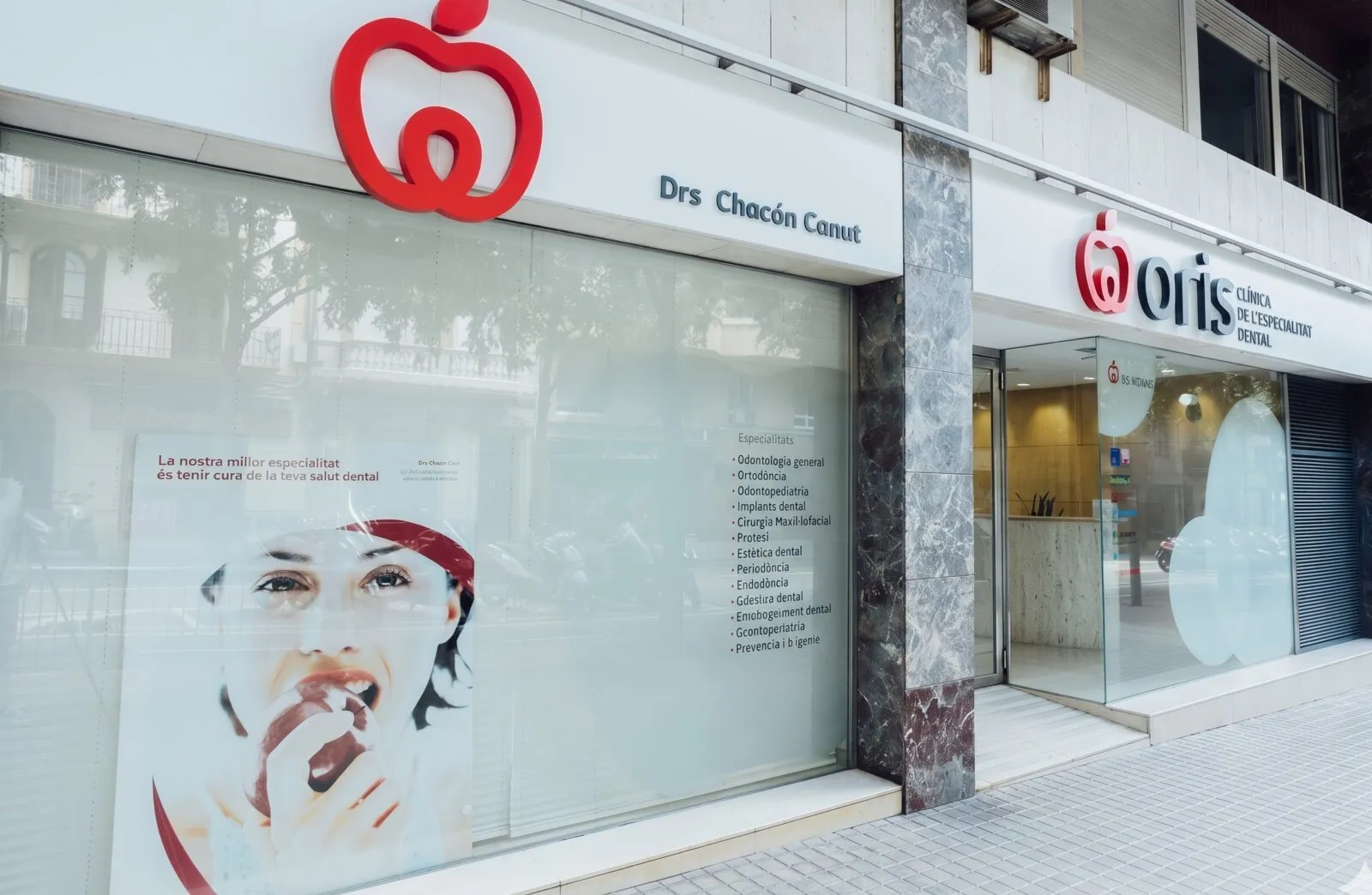
Carrer de Joan Güell 108, in the Les Corts neighbourhood.

Clinic facade
Clinic facade
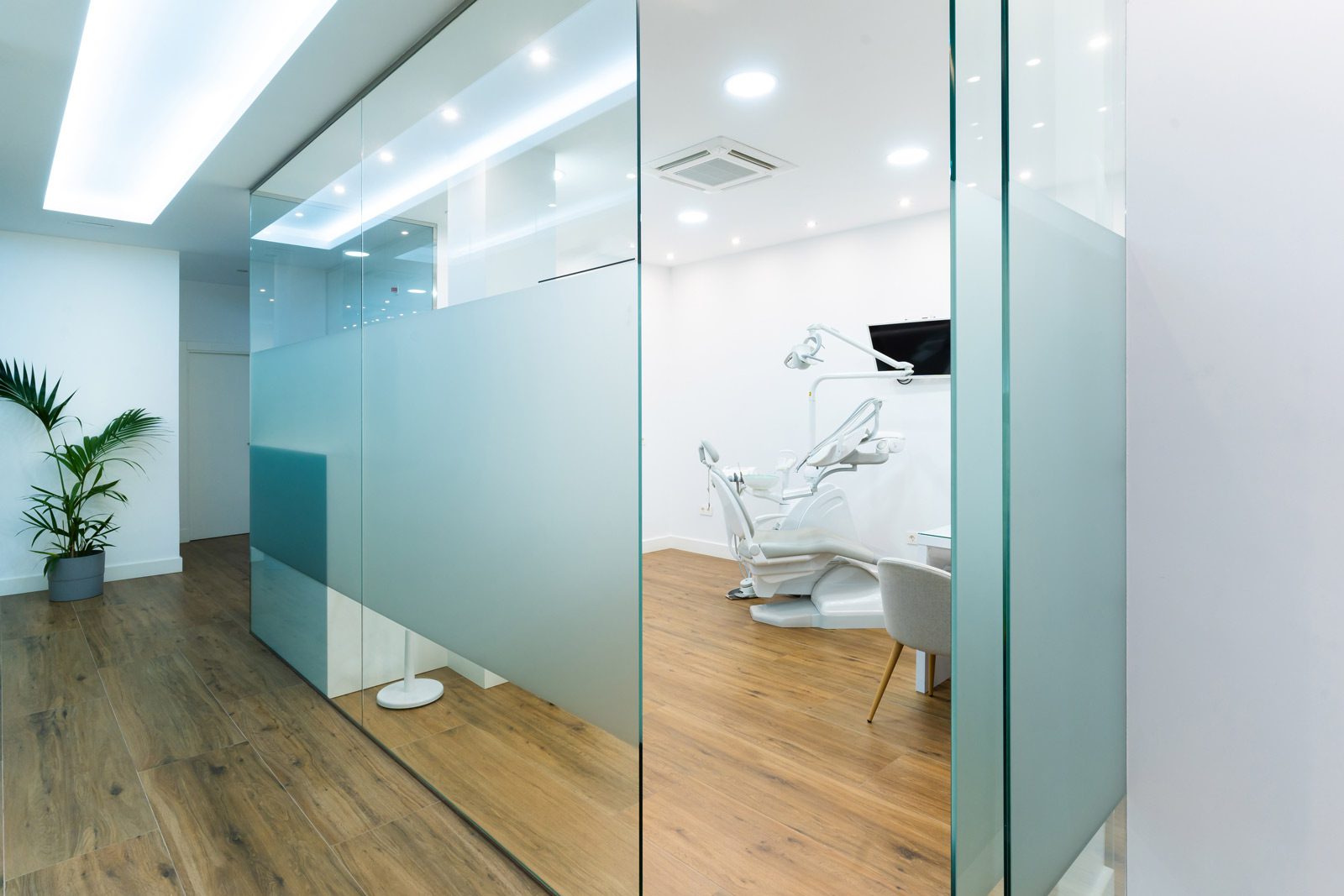
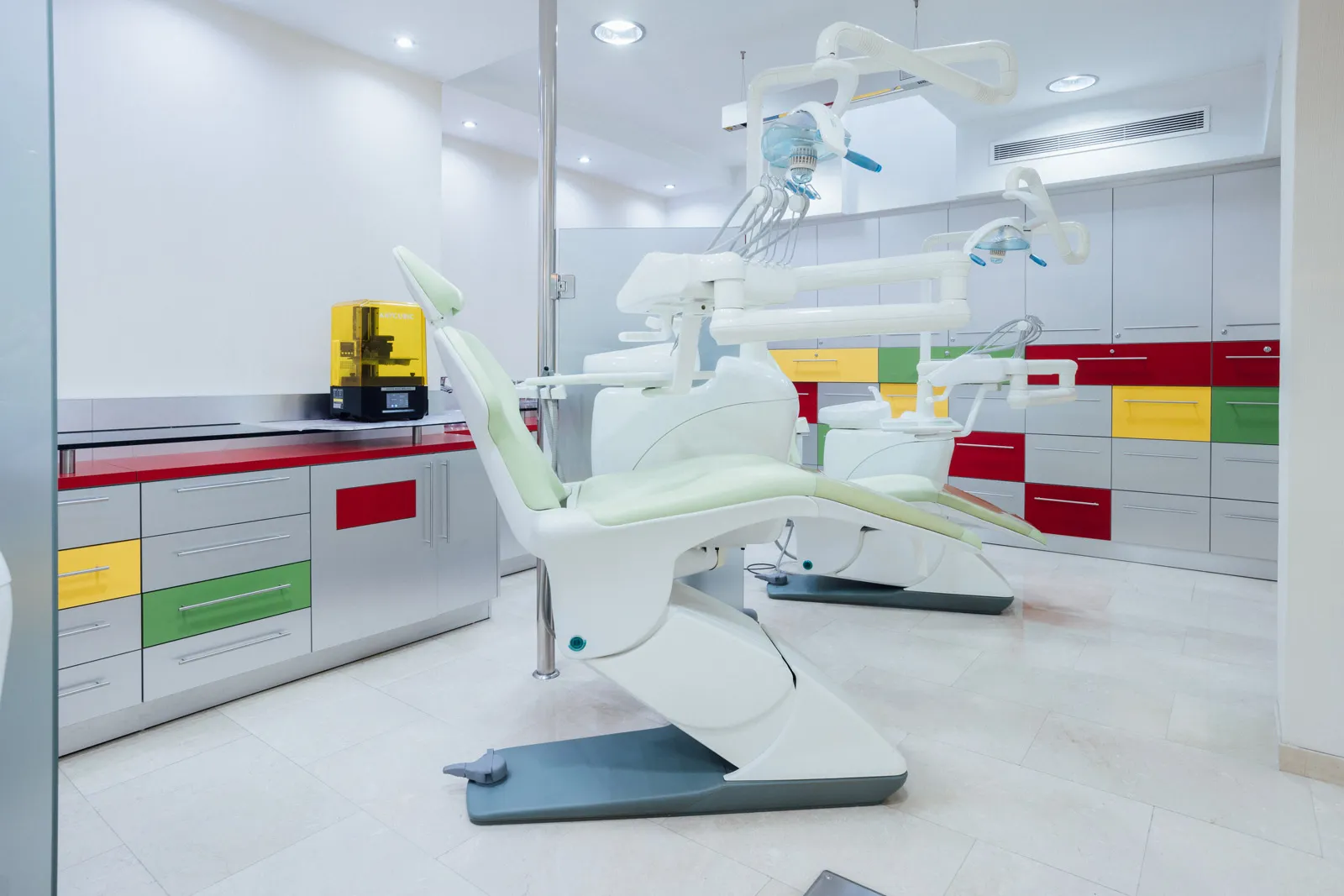
Treatment boxes
Treatment boxes
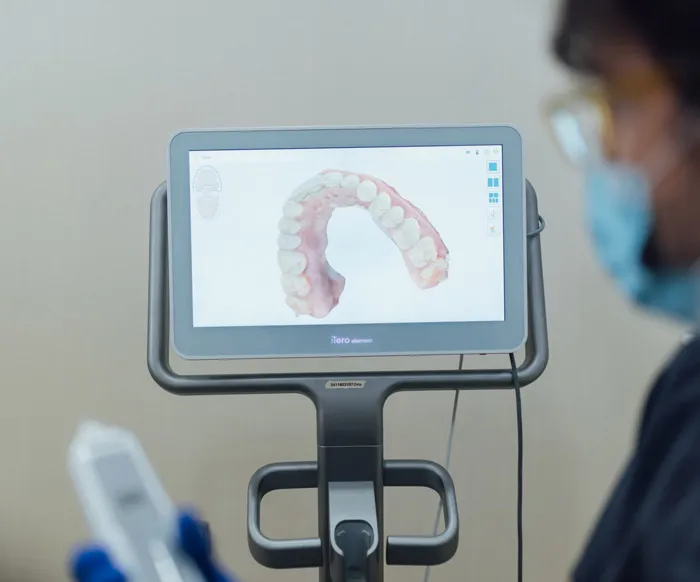
iTero 3D scanner
iTero 3D scanner
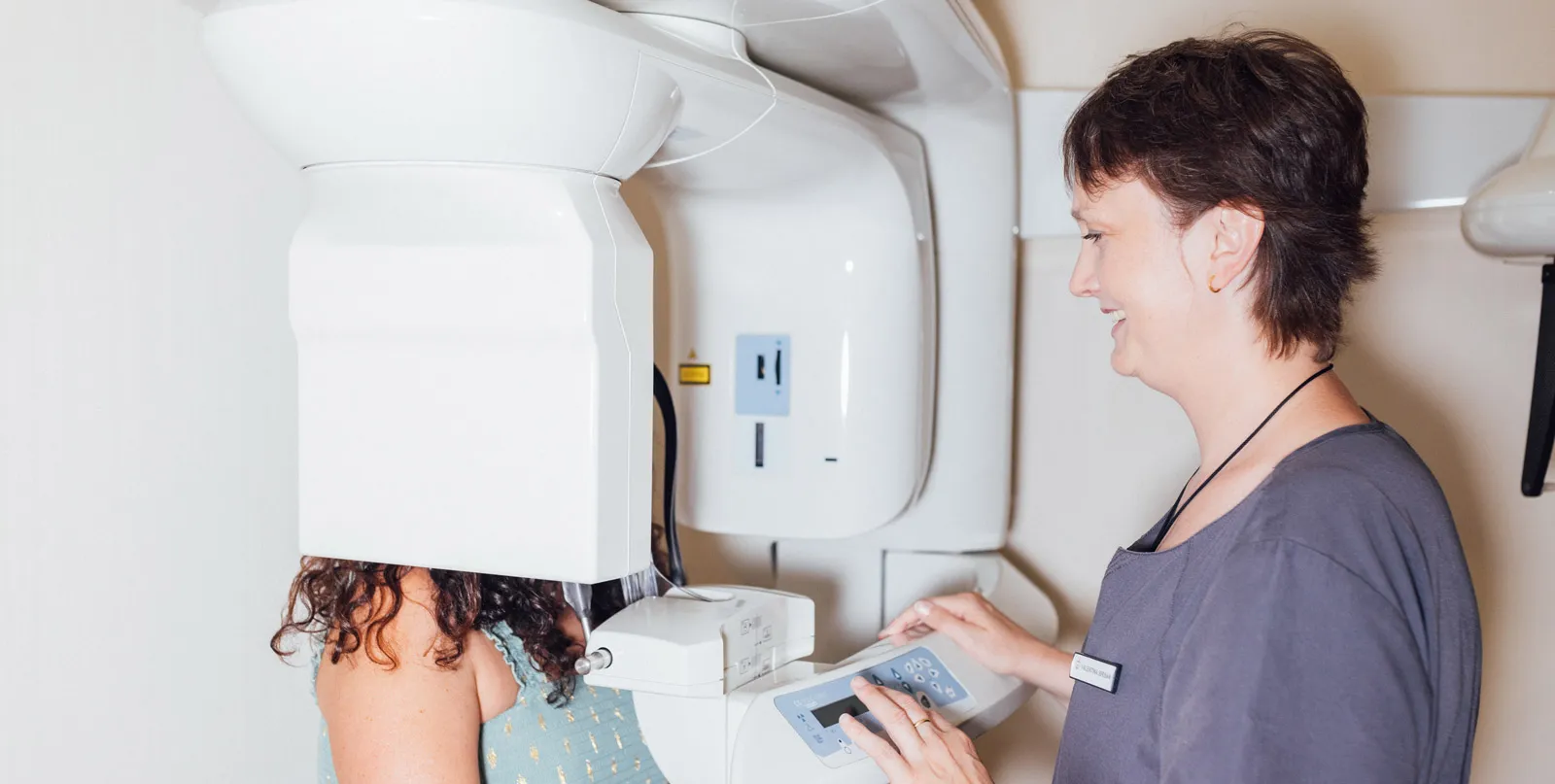
3D X-Ray · CBCT
3D X-Ray · CBCT
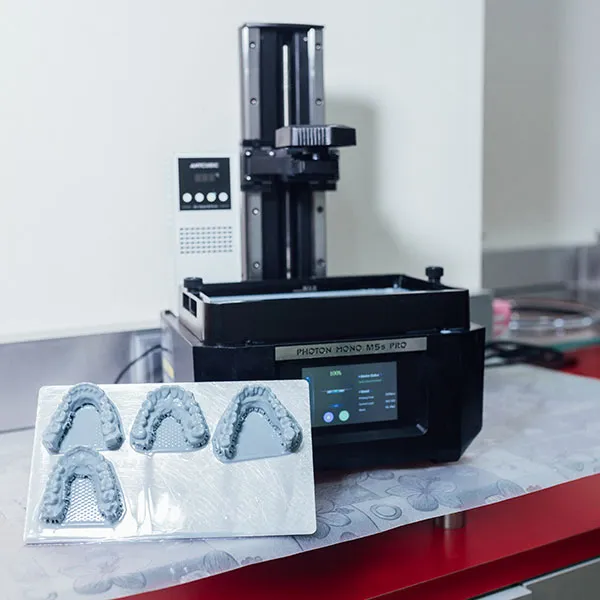
In-house 3D printer
In-house 3D printer
Book now

Find us

In the heart of Les Corts. Call us, write us on WhatsApp or come and visit us.

100% Gratis

Book appointment

We call you back within 24h

Reserva estudio Oris [EN]

Frequently asked questions

See the most common questions about sedación.

If you don't find the answer you're looking for, don't hesitate to contact us.

Contact

1. What is dental sedation?
Dental sedation is the use of medication to help patients relax during dental procedures, reducing anxiety and discomfort.
2. What are the different types of dental sedation?
Types include minimal sedation (conscious), moderate sedation (conscious sedation), and deep sedation (anesthesia).
3. What are the risks of dental sedation?
Risks may include allergic reactions, drug side effects, or respiratory complications. The risk is minimal with adequate monitoring.
4. How is sedation administered?
Sedation can be administered orally, inhaled (such as nitrous oxide), intravenously (IV), or intramuscularly.
5. How long does the effect of sedation last?
The duration varies according to the type of sedation used. It may last from a few hours to longer, depending on the depth of sedation.
6. Is dental sedation safe?
Yes, when performed by a trained professional, dental sedation is safe. The team monitors the patient throughout the procedure.
7. What should I do before undergoing dental sedation?
Generally, it is recommended to fast before the procedure, inform the dentist about current medications and medical conditions, and follow the specific instructions given.
8. How much does dental sedation cost?
The price varies according to the type of sedation, the length of the procedure and the location where it is performed. It is best to consult with the clinic for an accurate estimate.
9. Will I be able to return to my normal routine after the procedure?
Most patients need to rest and avoid activities that require concentration after sedation. Complete recovery varies depending on the type of sedation.
10. Is dental sedation suitable for all patients?
Sedation may not be appropriate for people with certain medical conditions or who are taking specific medications. It is important to consult with the dentist.
11. Can I drive after dental sedation?
No, it is recommended that someone drive you home after sedation, as you may feel drowsy or disoriented.
We work with all major insurance providers If you have any of these insurances, call us and we'll confirm which treatments are covered.
DKV
Mapfre
Axa
Allianz
A Sanitaria
Clinicum
Fiatc